
Signs It’s Time to Seal Your Asphalt Surface
Noticing cracks, fading color, or surface deterioration are signs it’s time to seal your asphalt, and local contractors can help protect and extend its lifespan.
Property owners who notice certain signs on their asphalt surfaces may find it beneficial to consider sealing their pavement. Cracks, fading color, and the presence of surface water pooling are common indicators that the asphalt could be due for sealing. Addressing these issues early can help prevent further deterioration, saving money and extending the lifespan of the surface. Local contractors experienced in asphalt sealing services can assess these signs and recommend the best course of action to maintain the integrity and appearance of driveways, parking lots, and other paved areas.
Understanding when to seal an asphalt surface is essential for property owners looking to protect their investment. If the surface shows signs such as surface oxidation, small cracks, or a worn appearance, it may be time to explore sealing options. Local service providers who specialize in asphalt surface sealing can help evaluate the condition of the pavement and provide expert solutions to preserve its durability. Keep reading to learn more about the key indicators that suggest sealing is needed and how local professionals can assist in maintaining a safe and attractive paved area.
- Asphalt driveway sealing services are recommended when surface cracks or fading become noticeable, indicating the protective layer needs renewal. Local contractors can assess surface wear and apply sealing to help extend the lifespan of the pavement. Parking lot sealing may be necessary when existing markings become difficult to see or surface deterioration is evident. Service providers can evaluate the condition of commercial asphalt surfaces and recommend sealing to prevent further damage. Driveway and lot sealing are also advised when water starts to pool or surface deterioration accelerates, signaling it’s time for professional intervention.
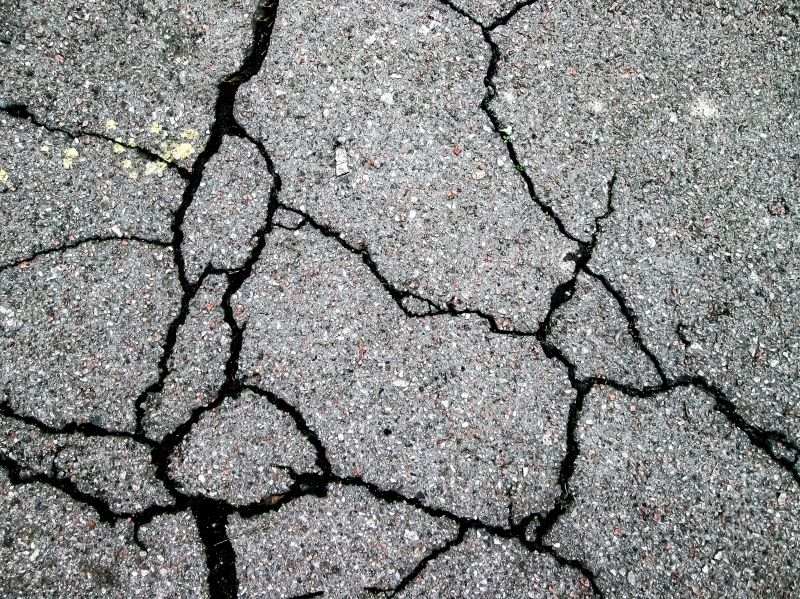
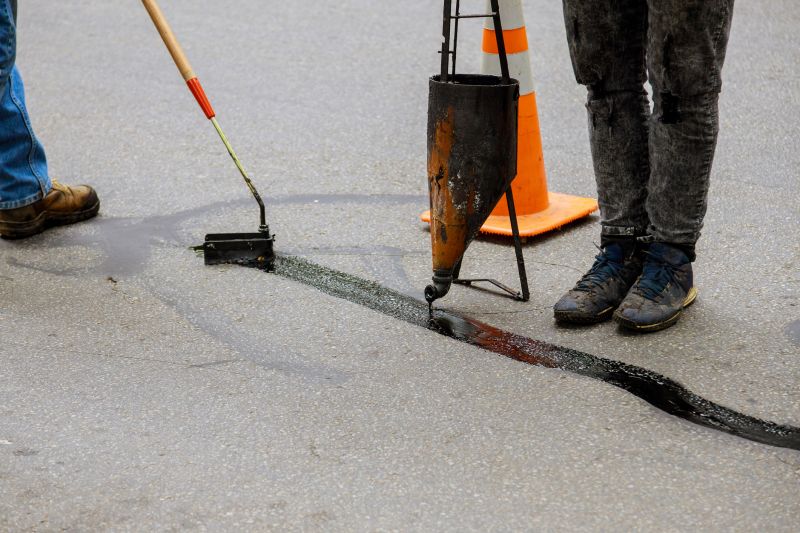
When searching for signs it’s time to seal your asphalt surface, homeowners are typically trying to determine whether their driveway, parking lot, or other paved areas are in need of maintenance. Over time, asphalt can develop surface issues that compromise its appearance and durability. People often look for visual cues or symptoms that indicate the protective coating has worn down and that sealing can help extend the life of the pavement. Identifying these signs early can prevent more costly repairs later on, making it a key consideration for property upkeep.
This topic is closely related to ongoing maintenance plans and the prevention of damage caused by weather, traffic, and age. Asphalt surfaces naturally degrade over time, developing cracks, fading color, and surface wear. When these issues become noticeable, sealing the surface can help restore its appearance and protect against further deterioration. Property owners may also be considering sealing as part of a broader effort to improve curb appeal or prepare for future projects. Understanding the signs that indicate a surface needs sealing helps homeowners prioritize maintenance and coordinate with local contractors who specialize in asphalt sealing.
The types of properties that often come up when discussing signs it’s time to seal asphalt include residential driveways, commercial parking lots, and community access roads. Residential properties frequently see homeowners inspecting their driveways for cracks or fading that signal the need for sealing. Commercial properties may need to maintain a professional appearance while protecting their parking infrastructure, especially in high-traffic areas. Additionally, properties with older asphalt surfaces are more prone to showing signs of wear, making regular inspections essential. Connecting with local service providers can help determine whether a surface’s condition warrants sealing or other repairs.
Recognizing the signs it’s time to seal an asphalt surface involves looking for specific indicators such as surface cracking, fading color, and the presence of small holes or raveling edges. Cracks may start small but can quickly expand if left untreated, leading to water infiltration and further damage. Fading color often indicates that the asphalt’s protective layer has worn away, exposing the material to the elements. Small surface holes or areas where the asphalt appears to be breaking apart are also clear signs that sealing could help preserve the surface. Local asphalt sealing contractors can assess these signs and recommend the appropriate maintenance to extend the life of the pavement.
Paving repair projects - these involve assessing and fixing damaged or cracked surfaces, requiring similar planning and surface preparation as sealing asphalt to ensure longevity.
Driveway resurfacing - resurfacing involves applying new layers over existing asphalt, which shares techniques and tools with sealing to protect and extend the surface’s life.
Asphalt crack filling - filling and sealing cracks is a preparatory step often performed before or alongside sealing to prevent water infiltration and further damage.
Parking lot maintenance - maintaining large asphalt areas involves sealing and repair work that relies on similar surface assessment and application methods.
Sealcoating projects - these projects focus on applying protective coatings to asphalt surfaces, requiring expertise in surface prep and application similar to sealing.
Surface cleaning and preparation - thorough cleaning and surface prep are essential steps that ensure proper adhesion and effectiveness in sealing and related asphalt projects.
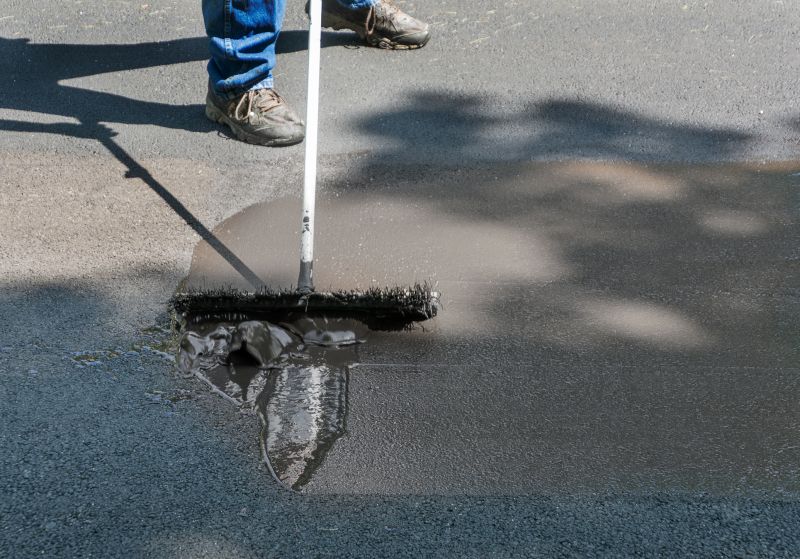
When comparing local contractors for asphalt surface sealing, it’s important to consider their experience with similar projects. An experienced service provider will understand the specific conditions that can affect the longevity and appearance of your asphalt, such as weather patterns and surface age. Asking about their past work on projects like driveways, parking lots, or walkways can provide insight into their familiarity with the job. A contractor with a proven track record in handling asphalt sealing can offer more confidence that the work will be completed effectively and to a high standard.
Clear, written expectations are essential when evaluating potential service providers. A reputable contractor should be willing to provide detailed information about what the sealing process entails, including surface preparation, type of sealant used, and any necessary follow-up. This transparency helps ensure that homeowners understand what to expect and can compare proposals accurately. Well-documented expectations also serve as a reference point throughout the project, reducing misunderstandings and ensuring the scope of work aligns with the homeowner’s needs.
Reputable references and good communication are key indicators of a trustworthy local contractor. Asking for references or reviews from previous clients can reveal insights into the contractor’s reliability, professionalism, and quality of work. Additionally, effective communication-such as prompt responses to questions and clear explanations-can make the entire process smoother. Contractors who prioritize open dialogue and provide consistent updates are more likely to deliver a positive experience and achieve results that meet expectations when sealing an asphalt surface.
Property owners often search for signs it’s time to seal your asphalt surface when they are planning practical projects around their homes and businesses. Local pros provide Asphalt Surface Sealing services for everyday jobs and straightforward project options.
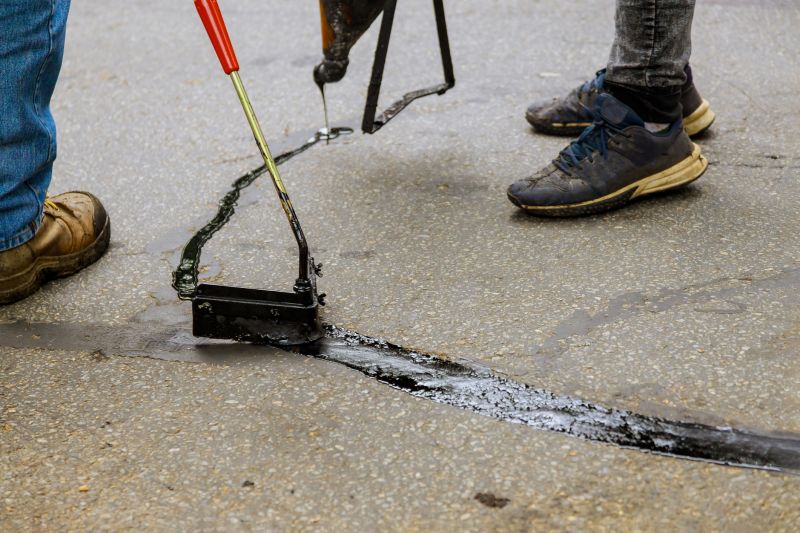
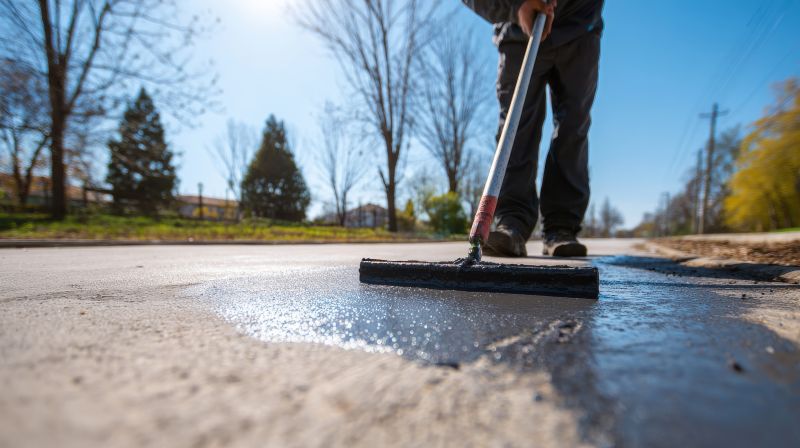
Property owners might notice visible cracks, fading, or a dull appearance on their asphalt surfaces, which can be clear signs it’s time to consider sealing. These signs often appear after years of exposure to weather and regular use, indicating that the protective layer of the asphalt has worn down. When these issues become noticeable, local contractors who specialize in asphalt sealing can assess the surface and help restore its durability and appearance, preventing further deterioration and extending its lifespan.
Another common indicator is the presence of surface erosion or small potholes, which can develop over time if the asphalt isn’t properly sealed. These problems can lead to more significant damage and costly repairs if left unaddressed. Property owners in the area looking to maintain a safe, smooth surface often turn to experienced service providers for sealing solutions. Connecting with local experts ensures that asphalt surfaces are properly protected against the elements and daily wear, helping to preserve the property's value and functionality.
What are common signs that indicate it’s time to seal an asphalt surface? Visible cracks, fading color, and surface deterioration are typical signs that sealing may be needed to protect the asphalt.
How does the appearance of the asphalt surface help determine if sealing is necessary? If the asphalt looks dull, faded, or shows signs of surface wear, it might be time for sealing services from local contractors.
Can water pooling or surface cracks signal the need for sealing? Yes, areas where water pools or cracks are present often indicate that the asphalt needs sealing to prevent further damage.
Is it important to consider the age of the asphalt when deciding on sealing? Older asphalt that shows signs of wear or cracking generally benefits from sealing to extend its lifespan.
What role do surface stains or oil spots play in determining if sealing is needed? Stains or oil spots can weaken the surface, making sealing a helpful step to protect against further deterioration.
Cracked or crumbling surface - When cracks or deterioration appear on an asphalt surface, sealing can help prevent further damage and extend its lifespan, with local contractors providing expert application.
Faded or worn appearance - A surface that looks dull or faded may benefit from sealing to restore its appearance and protect against future weathering, with local pros offering professional sealing services.
Oil stains or spills - Oil and chemical stains can weaken asphalt over time; sealing helps lock out contaminants and preserve the surface, with local contractors able to perform the necessary sealing treatments.
Increased surface porosity - If water seeps into the asphalt easily, sealing can reduce porosity and prevent water damage, with local service providers equipped to handle the sealing process effectively.
If you are thinking about signs it’s time to seal your asphalt surface for a property, this guide is meant to help you understand this topic, the typical project types, and how different options might fit your plans.
When you are ready, you can use the quote form on this page to share a few details about your project. From there, local pros can review the basics and follow up with options that match what you have in mind.